Dry Skin
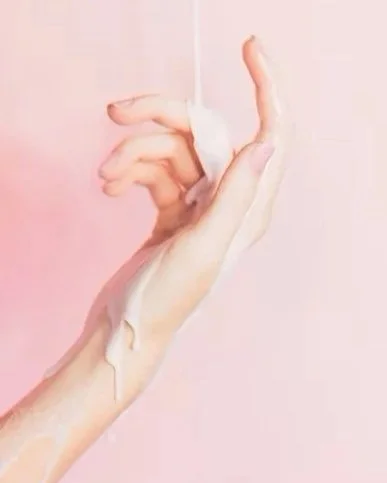
As we age, our skin starts loosing elasticity and might become dry, maybe wrinkly, and thinner.
To some extend, this is a natural process, influenced by genetics, sun exposure, and skin maintenance regime.
Though, if you feel that your skin suddenly became more dry or you would like to slow down the process as much as you can, you might want to understand how Chinese medicine interprets dry skin.
Chinese medicine, like many other ancient medicinal theories has a visual approach to explaining symptoms. If your pot is dry, it was either left on teh stove for too long, and its fluids evaporated, or there was not enough water added.
Translated, dry skin is caused by two possible scenarios:
A Heat pathogen in the body dries out Blood and Fluids
One or more of the nourishing elements (Blood, Fluids, Yin) are deficient
What does that mean?
A ‘Heat pathogen’ can mean many different things. It may be a previous illness with high fever that literally dried out the body fluids. It can also be part of a heating diet, such as excessive
Use of hot spices
Alcohol consumption
Coffee
A huge drying agent: smoking.
Blood and Yin deficiency can also have many causes:
Menopause
Yin and Blood are regenerated at night; shift work, insufficient sleep can be factors
insufficient fluid intake
nutrient-poor diet
Usually, with dry skin there will be additional symptoms that indicate the underlying pathology. A Chinese medicine practitioner will look at the additional signs and symptoms in the body and decide if you need acupuncture points and Chinese medicinal herbs to simply cool the body or if you also do need nourishing of Yin and Blood.
Until then, try to eat nourishing foods, like stews, lots of vegetables, and reduce or eliminate heating agents.
Unless you have a nut allergy, you might want to consider applying almond oil on your skin regularly.